Navigating the Visual Landscape: Trends Shaping Graphic Design in 2025
Navigating the Visual Landscape: Trends Shaping Graphic Design in 2025
Introduction
With great pleasure, we will explore the intriguing topic related to Navigating the Visual Landscape: Trends Shaping Graphic Design in 2025. Let’s weave interesting information and offer fresh perspectives to the readers.
Table of Content
- 1 Navigating the Visual Landscape: Trends Shaping Graphic Design in 2025
- 2 Introduction
- 3 Navigating the Visual Landscape: Trends Shaping Graphic Design in 2025
- 3.1 Trends Graphic 2025: A Glimpse into the Future of Visual Communication
- 3.2 Trends Graphic 2025: Exploring Related Searches
- 3.3 Trends Graphic 2025: Frequently Asked Questions
- 3.4 Trends Graphic 2025: Tips for Success
- 3.5 Trends Graphic 2025: Conclusion
- 4 Closure
Navigating the Visual Landscape: Trends Shaping Graphic Design in 2025
The world of graphic design is constantly evolving, driven by technological advancements, changing consumer preferences, and the need to communicate effectively in a visually saturated environment. As we approach 2025, several key trends are emerging, shaping the future of visual communication. Understanding these trends is crucial for designers, businesses, and anyone who wants to stay ahead of the curve in the ever-evolving landscape of visual storytelling.
Trends Graphic 2025: A Glimpse into the Future of Visual Communication
1. The Rise of Generative AI in Graphic Design: Artificial intelligence (AI) is rapidly transforming various industries, and graphic design is no exception. Generative AI tools are empowering designers to create unique and complex visuals with unprecedented speed and efficiency. These tools leverage machine learning algorithms to analyze vast datasets of images and generate new designs based on specific parameters. While some argue that AI might replace human designers, the reality is that AI is more likely to act as a powerful tool in the designer’s arsenal, freeing them to focus on creative ideation and strategic thinking.
2. The Power of Immersive Experiences: As virtual reality (VR) and augmented reality (AR) technologies become more accessible, graphic designers are finding new ways to create immersive and engaging experiences for users. From interactive product demonstrations to virtual museum tours, the potential for graphic design in immersive environments is vast. Designers are now tasked with creating visually compelling and intuitive interfaces that seamlessly blend the physical and digital worlds, enhancing user engagement and creating memorable experiences.
3. The Embrace of Sustainability in Design: The increasing awareness of environmental issues has led to a growing demand for sustainable practices in all industries, including graphic design. This trend manifests in the use of eco-friendly materials, reduced waste, and the adoption of ethical design principles. Designers are actively exploring ways to minimize their environmental footprint while maintaining high-quality visual outputs. This includes using recycled paper, opting for digital printing, and embracing minimalist designs that reduce the use of resources.
4. The Importance of Data Visualization: In a world overflowing with information, the ability to effectively communicate complex data is becoming increasingly crucial. Graphic designers are playing a vital role in this process by developing innovative and visually appealing data visualizations. These visualizations can take various forms, from interactive charts and graphs to dynamic infographics and data-driven animations. The goal is to make data accessible, engaging, and easily understandable for diverse audiences.
5. The Evolution of Typography: Typography continues to play a pivotal role in graphic design, with designers constantly exploring new ways to express themselves through the written word. In 2025, we can expect to see a further evolution of typography, with a greater focus on custom fonts, experimental lettering, and the integration of dynamic typefaces. Designers are pushing the boundaries of traditional typography, creating unique visual experiences that engage audiences on a deeper level.
6. The Influence of Micro-interactions: In the age of mobile devices and short attention spans, designers are increasingly focused on creating micro-interactions that enhance user experience. These small, subtle animations and visual cues can make a big difference in how users perceive and interact with a product or service. Micro-interactions can be used to provide feedback, guide users through a process, or simply add a touch of delight to the overall experience.
7. The Rise of Personalized Design: With the advent of big data and advanced personalization algorithms, designers are now able to create tailored experiences for individual users. This trend is evident in everything from website design and marketing materials to product packaging and user interface development. By leveraging data insights, designers can create visuals that resonate with specific audiences, increasing engagement and conversion rates.
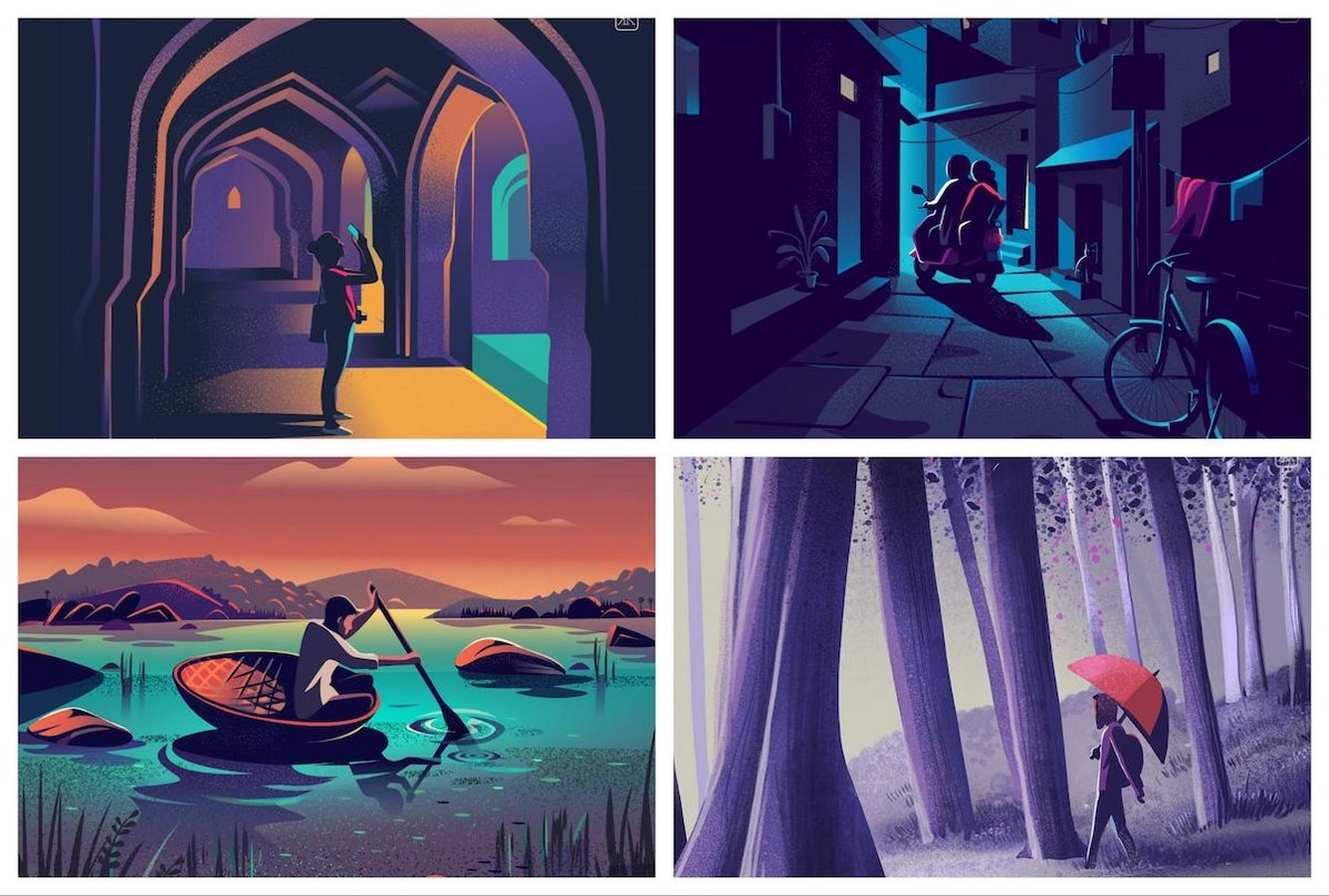
8. The Power of Storytelling: Graphic design is not just about aesthetics; it’s about communicating effectively and engaging audiences on an emotional level. In 2025, storytelling will remain a crucial aspect of graphic design, with designers focusing on crafting compelling narratives that connect with users on a deeper level. Whether it’s through animation, illustration, or interactive experiences, the ability to tell a story will continue to be a defining characteristic of successful graphic design.
Trends Graphic 2025: Exploring Related Searches
1. Future of Graphic Design: This search explores the long-term trajectory of the field, considering technological advancements, evolving user preferences, and the impact of emerging trends. It delves into the potential for new technologies, such as AI and VR, to reshape the design process and the role of designers in the future.
2. Graphic Design Trends 2025: This search focuses on the specific trends expected to be prevalent in 2025, offering insights into the styles, techniques, and technologies that will define the visual landscape. It examines the evolution of existing trends and the emergence of new ones, providing a comprehensive overview of the design landscape in 2025.
3. Graphic Design Software Trends 2025: This search delves into the evolving software landscape, exploring the latest advancements in design tools and the impact of AI on the design process. It examines the emergence of new platforms, the integration of AI capabilities, and the future of traditional design software.
4. Graphic Design Jobs 2025: This search explores the future of the graphic design job market, considering the impact of automation, the growth of new industries, and the evolving demands of employers. It examines the skills and knowledge required for success in the field and the potential for new career paths in graphic design.
5. Graphic Design Education 2025: This search focuses on the changing landscape of graphic design education, considering the need to equip students with the skills and knowledge required to navigate the evolving field. It explores the role of online learning, the integration of new technologies, and the importance of developing critical thinking and problem-solving skills.
6. Graphic Design Ethics 2025: This search delves into the ethical considerations surrounding graphic design, exploring the impact of design on society, the importance of diversity and inclusion, and the responsibility of designers to create ethical and responsible visuals. It examines the evolving ethical landscape and the role of designers in shaping a more just and equitable world.
7. Graphic Design Inspiration 2025: This search provides a platform for designers to discover new ideas and inspiration, exploring emerging trends, showcasing the work of innovative designers, and offering a glimpse into the future of visual communication. It serves as a source of inspiration for designers seeking to stay ahead of the curve and push the boundaries of creativity.
8. Graphic Design Portfolio 2025: This search focuses on the evolving nature of graphic design portfolios, considering the importance of showcasing digital skills, highlighting the use of new technologies, and demonstrating an understanding of emerging trends. It explores the best practices for creating a compelling portfolio that effectively communicates a designer’s skills and vision to potential clients and employers.
Trends Graphic 2025: Frequently Asked Questions
1. Will AI Replace Graphic Designers?
While AI tools are becoming increasingly sophisticated, they are unlikely to completely replace human designers. AI excels at automating repetitive tasks and generating variations based on specific parameters, but it lacks the creativity, critical thinking, and emotional intelligence that are essential for truly impactful design. Human designers will continue to play a vital role in setting creative direction, interpreting client needs, and crafting compelling narratives that resonate with audiences.
2. How Can I Stay Ahead of the Curve in Graphic Design?
To stay relevant in the rapidly evolving field of graphic design, it is crucial to stay informed about emerging trends, continuously learn new skills, and actively seek out opportunities to experiment with new technologies. Attending industry events, subscribing to design publications, and engaging with online communities are all valuable ways to stay connected to the latest developments in the field.
3. What Skills Will Be Most Important for Graphic Designers in 2025?
In addition to traditional design skills, such as typography, color theory, and visual composition, graphic designers in 2025 will need to develop a strong understanding of emerging technologies, including AI, VR, and AR. They will also need to be proficient in data visualization, user experience design, and storytelling. The ability to adapt to new technologies and embrace interdisciplinary approaches will be crucial for success in the future of graphic design.
4. What are the Ethical Considerations for Graphic Designers in 2025?
As graphic design becomes increasingly intertwined with technology and data, it is essential for designers to consider the ethical implications of their work. This includes ensuring that their designs are inclusive, accessible, and responsible. Designers should be mindful of the potential for bias in AI algorithms, the environmental impact of their choices, and the potential for misuse of their creations.
5. How Can I Use These Trends to Improve My Graphic Design Work?
By embracing these trends, designers can create more engaging, effective, and impactful visuals. Incorporating elements of generative AI, immersive experiences, and data visualization can enhance the overall user experience and communicate ideas more effectively. Experimenting with new technologies, exploring sustainable practices, and focusing on storytelling will help designers stay ahead of the curve and create work that resonates with audiences in 2025 and beyond.
Trends Graphic 2025: Tips for Success
1. Embrace Continuous Learning: The field of graphic design is constantly evolving, so it is crucial to stay informed about emerging trends and technologies. Invest in online courses, attend workshops, and read industry publications to stay ahead of the curve.
2. Develop Strong Technical Skills: Proficiency in design software and a deep understanding of emerging technologies, such as AI, VR, and AR, will be essential for success in 2025. Explore new tools and platforms, and invest time in mastering the technical skills needed to create innovative and engaging visuals.
3. Cultivate Creative Problem-Solving: Graphic design is more than just aesthetics; it’s about finding creative solutions to complex problems. Develop your ability to think critically, analyze data, and translate complex information into visually compelling and easily understandable formats.
4. Focus on Storytelling: The ability to craft compelling narratives is essential for engaging audiences and communicating ideas effectively. Learn the art of storytelling, explore different visual techniques, and experiment with interactive experiences to create memorable and impactful visuals.
5. Embrace Collaboration: Graphic design is increasingly becoming an interdisciplinary field. Collaborate with other designers, developers, and industry professionals to expand your skillset, gain new perspectives, and create innovative and impactful work.
6. Prioritize User Experience: Design for humans. Consider the needs, preferences, and behaviors of your target audience, and create user-friendly experiences that are both visually appealing and functionally effective.
7. Stay Ethical and Responsible: Design with intention and purpose. Consider the ethical implications of your work, promote diversity and inclusion, and strive to create visuals that are both beautiful and responsible.
8. Build a Strong Portfolio: Showcase your skills and experience through a well-curated portfolio that highlights your best work and demonstrates your understanding of emerging trends.
Trends Graphic 2025: Conclusion
The trends shaping graphic design in 2025 present both challenges and opportunities for designers. By embracing new technologies, developing essential skills, and prioritizing user experience, designers can navigate the evolving landscape and create impactful visuals that resonate with audiences. The future of graphic design is exciting and dynamic, and the designers who adapt to these trends will be well-positioned to thrive in the years to come.




Closure
Thus, we hope this article has provided valuable insights into Navigating the Visual Landscape: Trends Shaping Graphic Design in 2025. We hope you find this article informative and beneficial. See you in our next article!